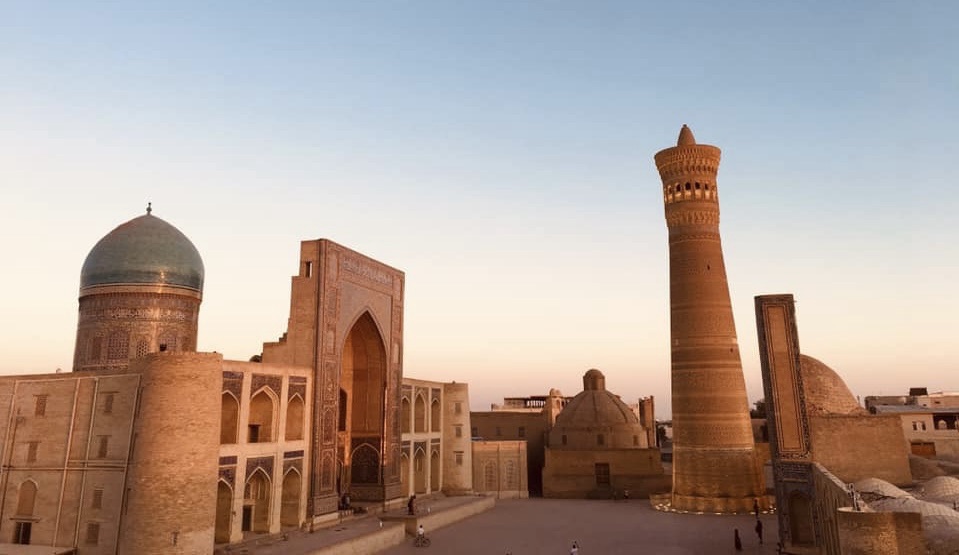
Uzbekistan was my first big adventure, and my very first trip to Asia. Little did I know at the time that this one trip would spark my love for unusual, off-the-beaten-path destinations and influence so many of my travel choices in the years that followed. The funny thing is, Uzbekistan wasn’t even on my radar. At the time, I probably couldn’t have pointed it out on a map, let alone imagined myself planning an entire trip there independently, without joining a tourist group. I was definitely hesitant, and, if I am honest, a little scared at first. But I am so glad I didn’t let fear win. Saying yes to Uzbekistan opened the door to a completely new way of travelling, and it’s safe to say I have been chasing that feeling ever since.
Table of Content
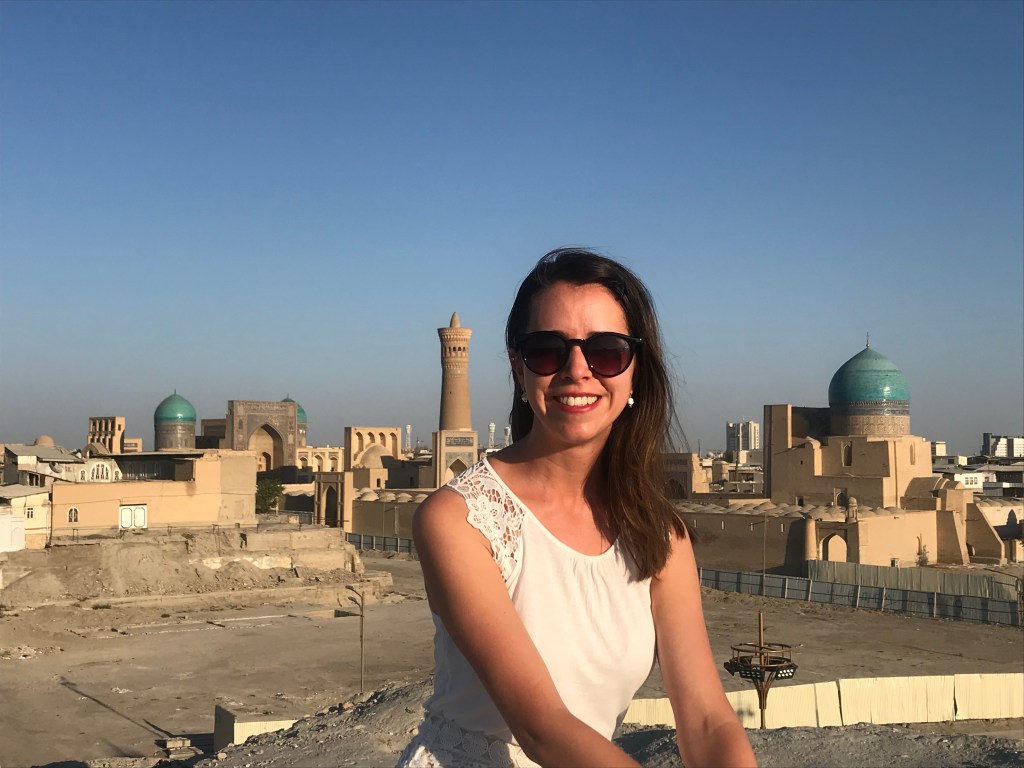
Located along the historic Silk Road,this Central Asian country is famous for its ancient cities, stunning Islamic architecture, and it was once a major crossroads connecting East and West.
Uzbekistan is a predominantly Muslim country, but it’s also a welcoming and generally comfortable destination for female travellers. And although I was travelling with my partner, I am confident to say that even if I was doing the whole journey on my own, I would have felt very safe and respected by the locals as a solo female traveller.
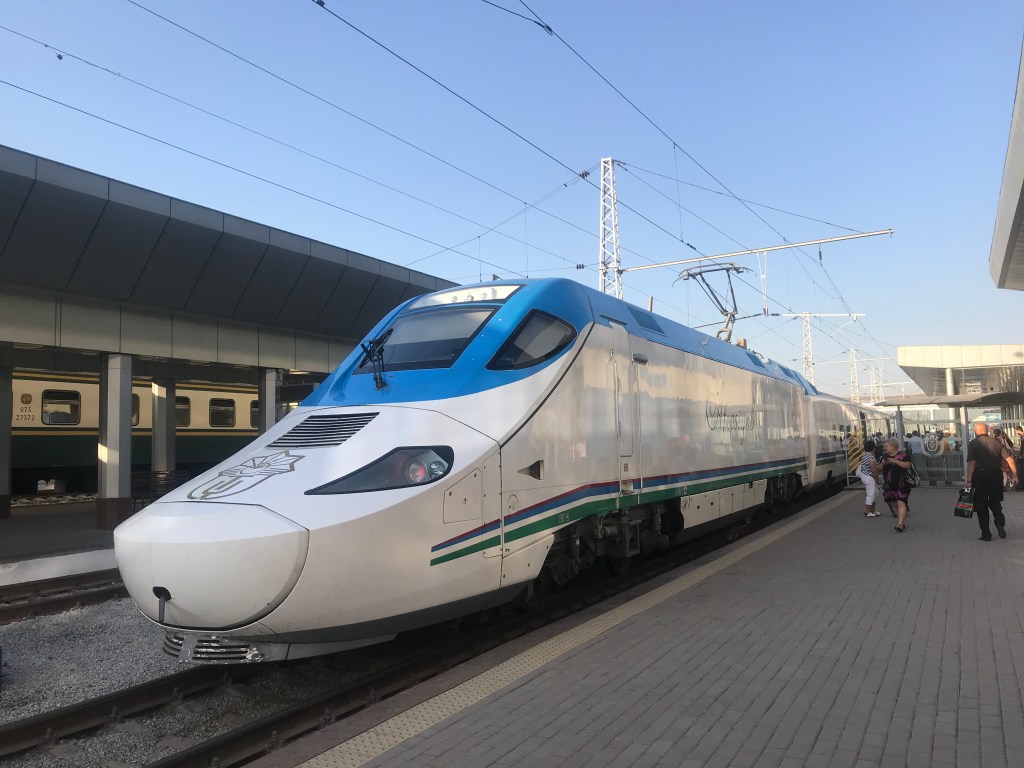
Exploring Uzbekistan is more accessible than you might think. Tashkent has an international airport with connections to several countries, and many nationalities can enter Uzbekistan visa-free or get a relatively straightforward e-visa. The country also has a good rail network, especially with the high-speed Afrosiyob trains connecting major cities or a slightly slower train service, also know as Sharq. Taxis are also inexpensive and useful for places that aren’t well connected by rail. Remember, don’t accept the first price! Always negotiate with the driver and agree on a fare before setting off.
During my stay in Uzbekistan, I visited the capital city, Tashkent, the ancient cities of Bukhara and Samarkand and the holy town of Nurata. I even took a swim in Lake Aydarkul and spent the night in a traditional yurt camp nearby the lake, in the vast Kyzylkum Desert. Sadly, I didn’t have time to visit the ancient city of Khiva. However if time allows, I highly recommend adding it to your itinerary.
Tashkent
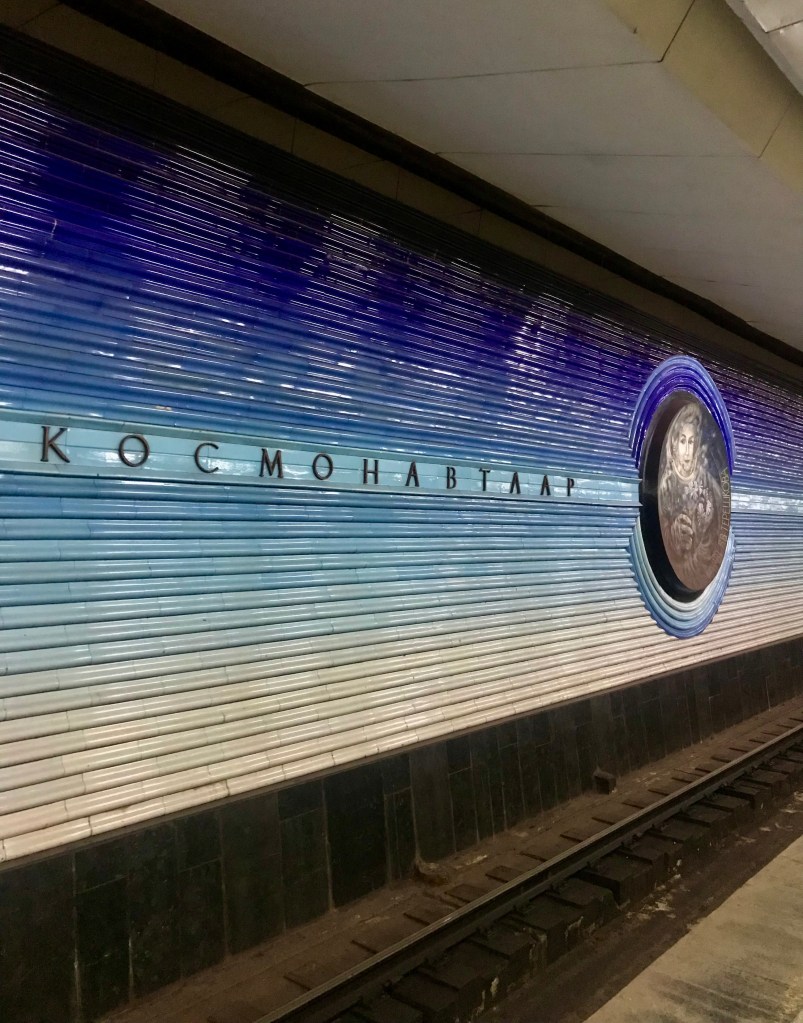
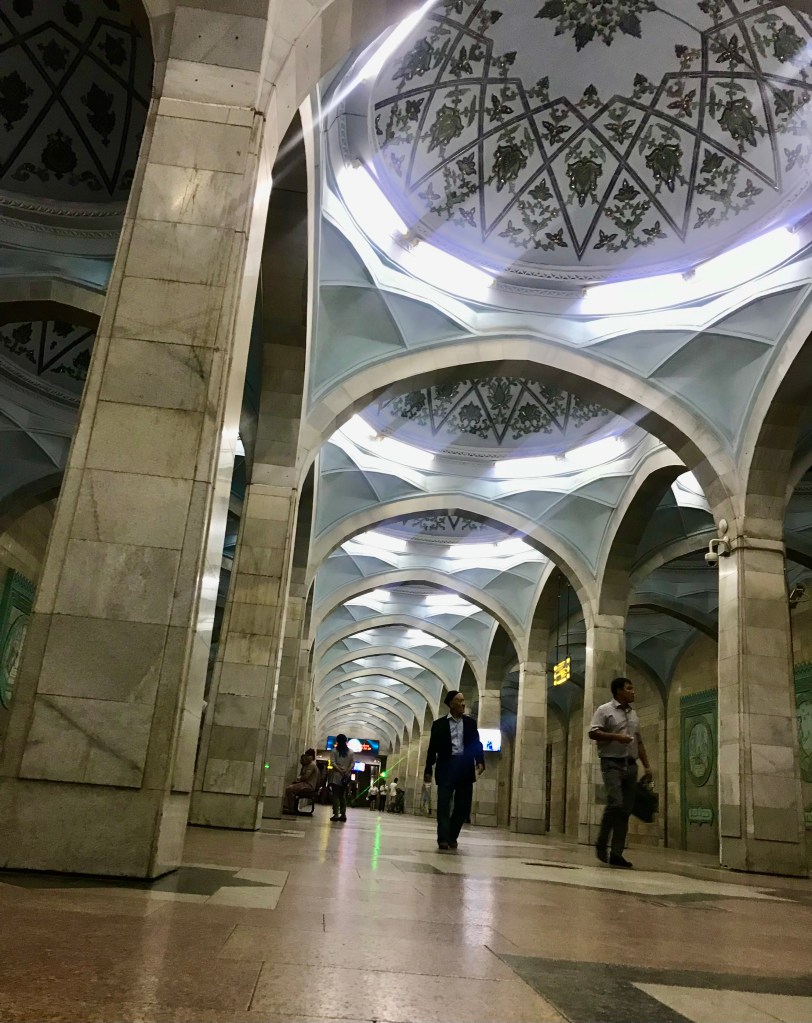
Tashkent is the largest city of Uzbekistan. A modern capital with an ancient past. Once an important stop along the Silk Road, the city is known for Soviet-era architecture, bustling bazaars, beautiful mosques and museums. One of my favourite things to see in the city is its stunning Soviet-era metro stations. Many of them are richly decorated with marble, mosaics, chandeliers and scupltures. Each station has its own unique design. What makes them fascinating to me, is that they feel less like ordinary transport hubs and more like underground art galleries, turning an ordinary metro journey into a cultural experience. And anyone who knows me knows how much I love art and travelling, so having the two come together was an experience I truly loved in Tashkent.
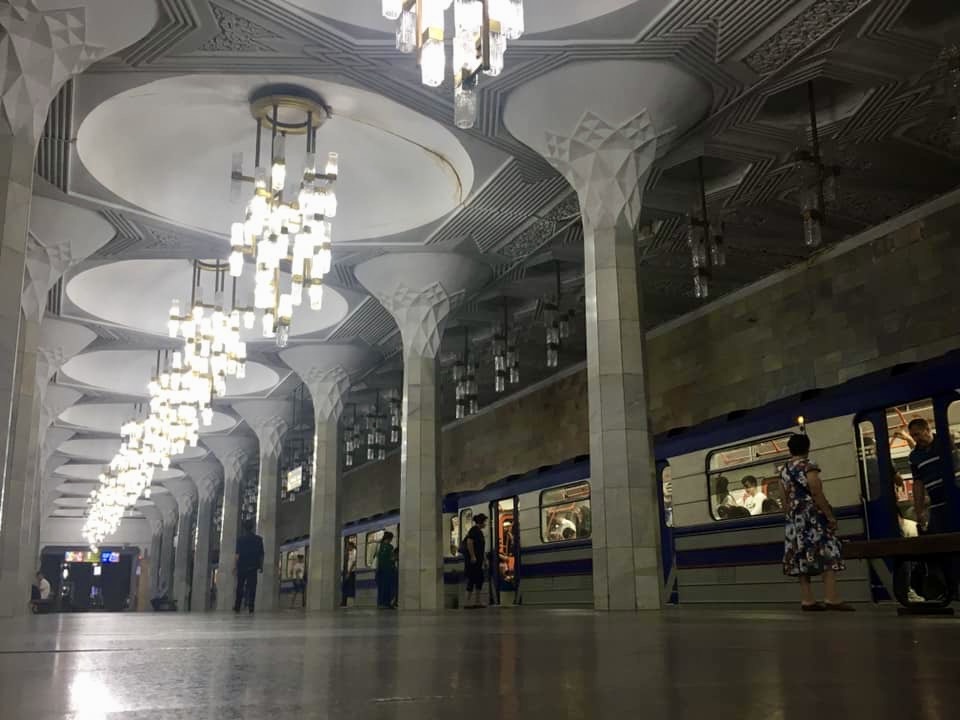
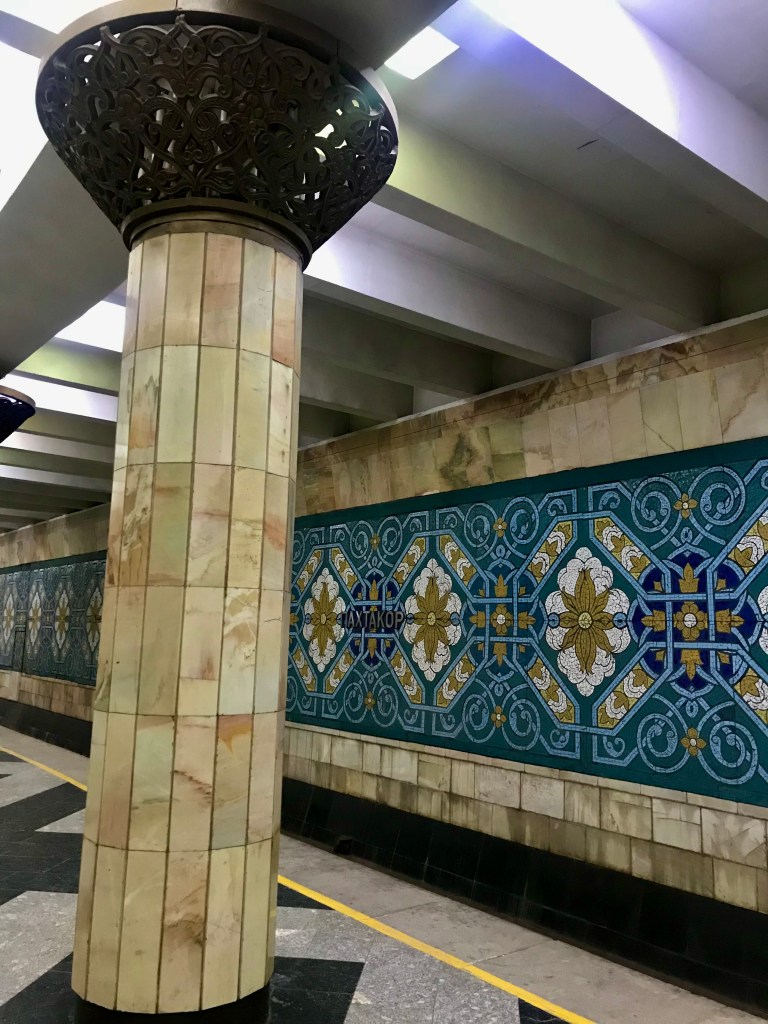
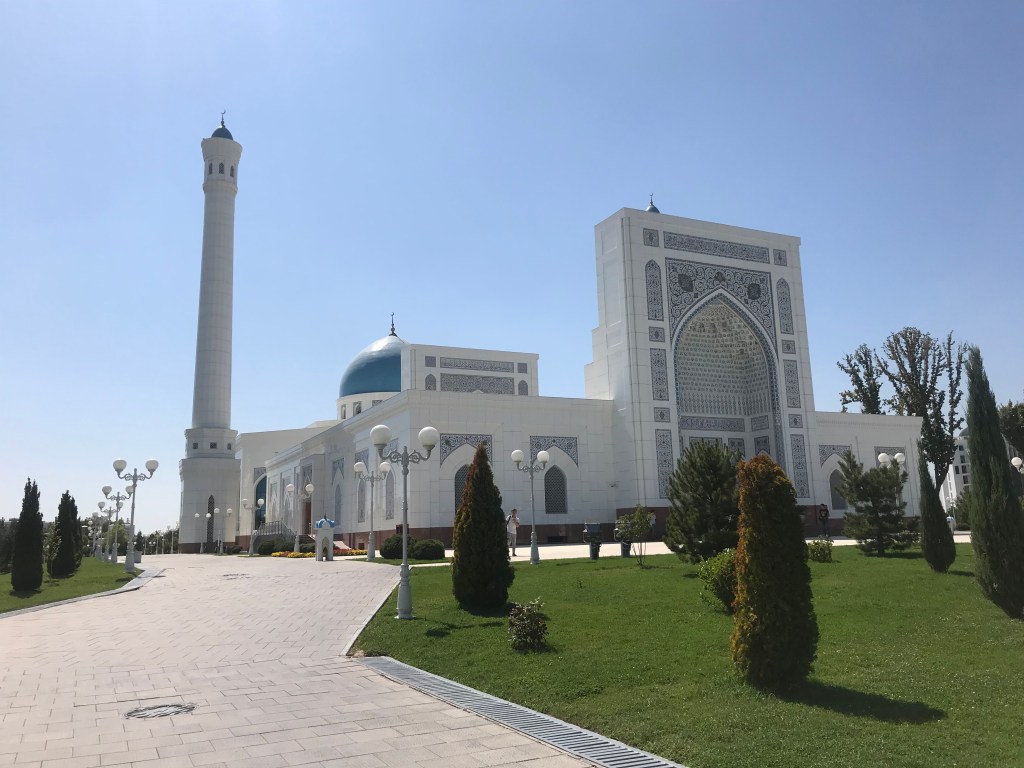
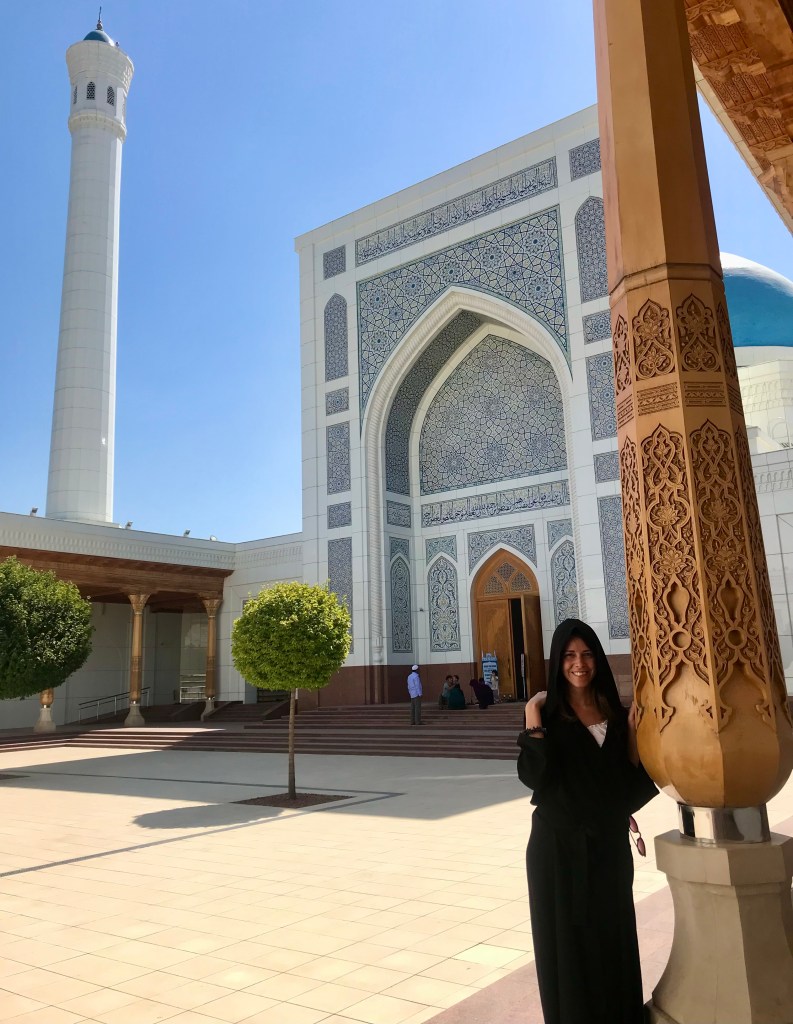
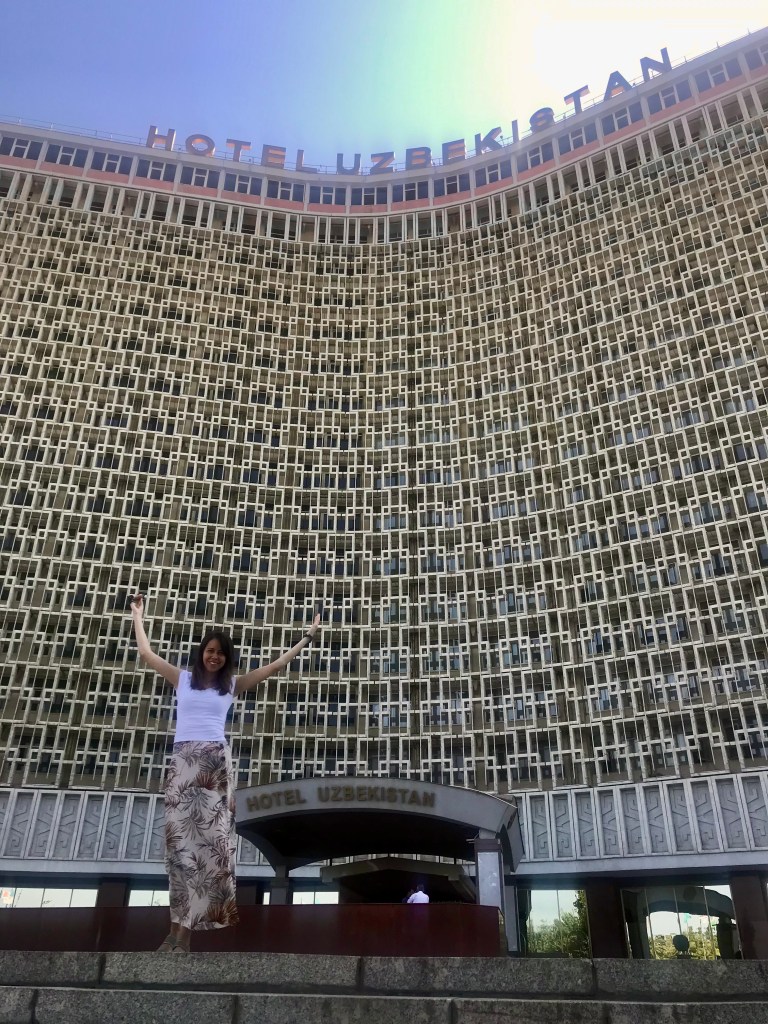
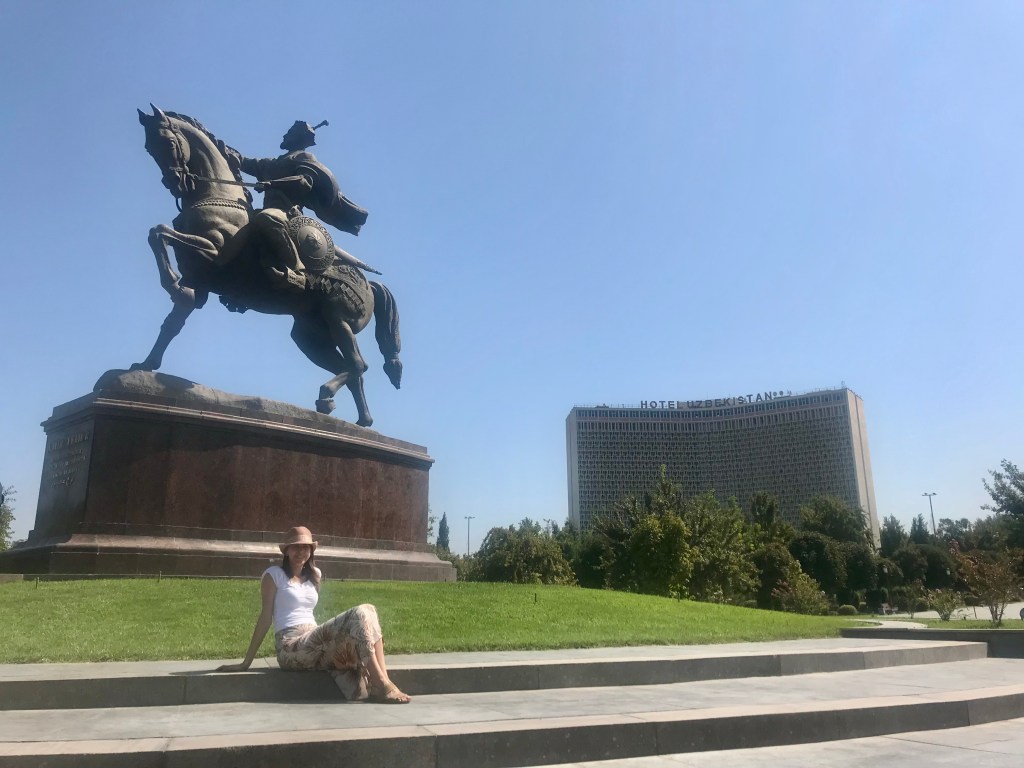
For Soviet architecture lovers, I also recommend Soviet mosaics spotting on the walls of apartment blocks in Bobur and Mirobad street and a stay in Hotel Uzbekistan for a night or two. Other places you can visit is the Amir Timur Square, Minor Mosque, Hazrati Imam complex, and last but not least, the famous Chorsu Bazaar – don’t be afraid to negotiate with local sellers. Some of them do actually expect you to haggle, so accepting the first price can mean you are missing half of the experience!
Bukhara
Bukhara was my favourite stop during my time in Uzbekistan, alongside an unforgettable stay in a yurt camp in the Kyzylkum Dessert, which I will discuss later.
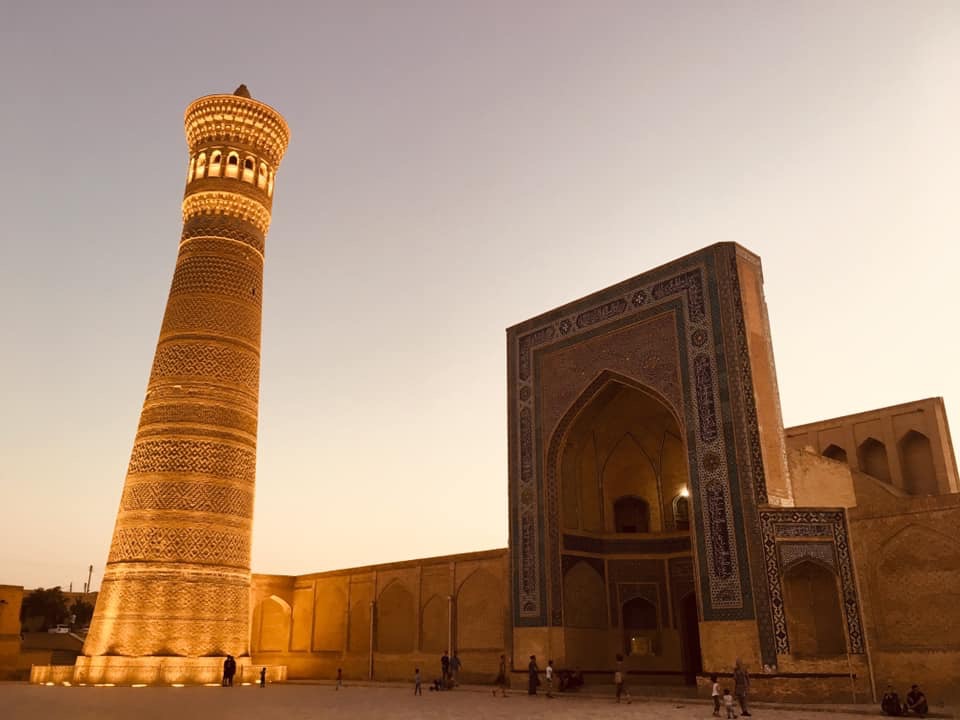
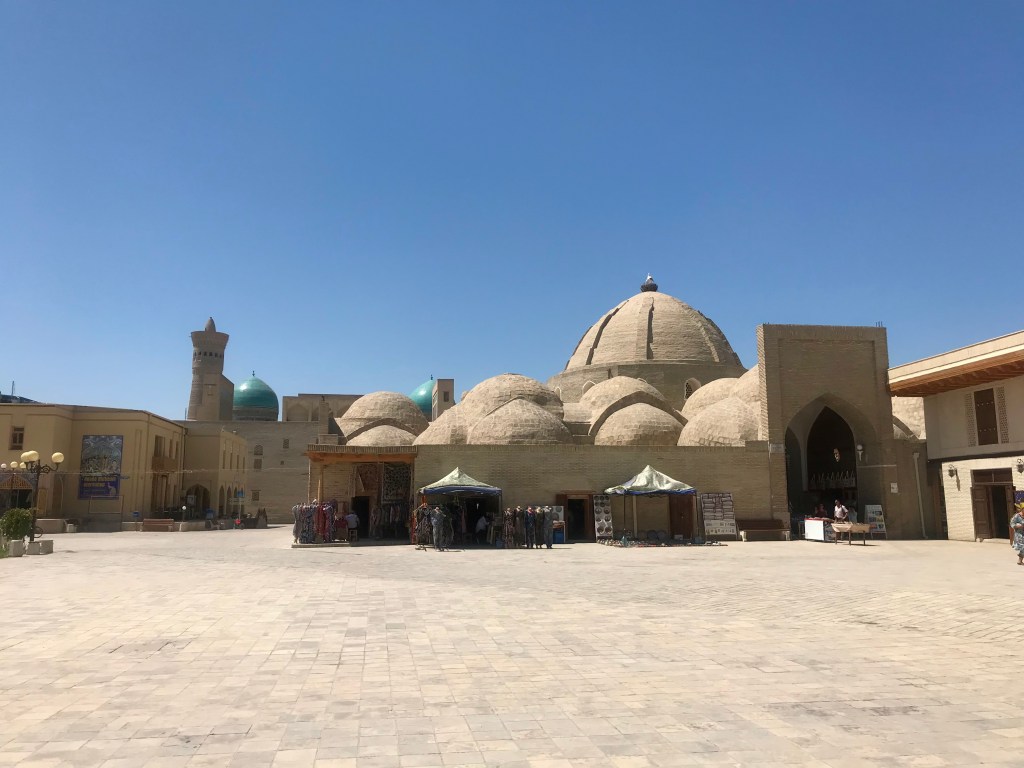
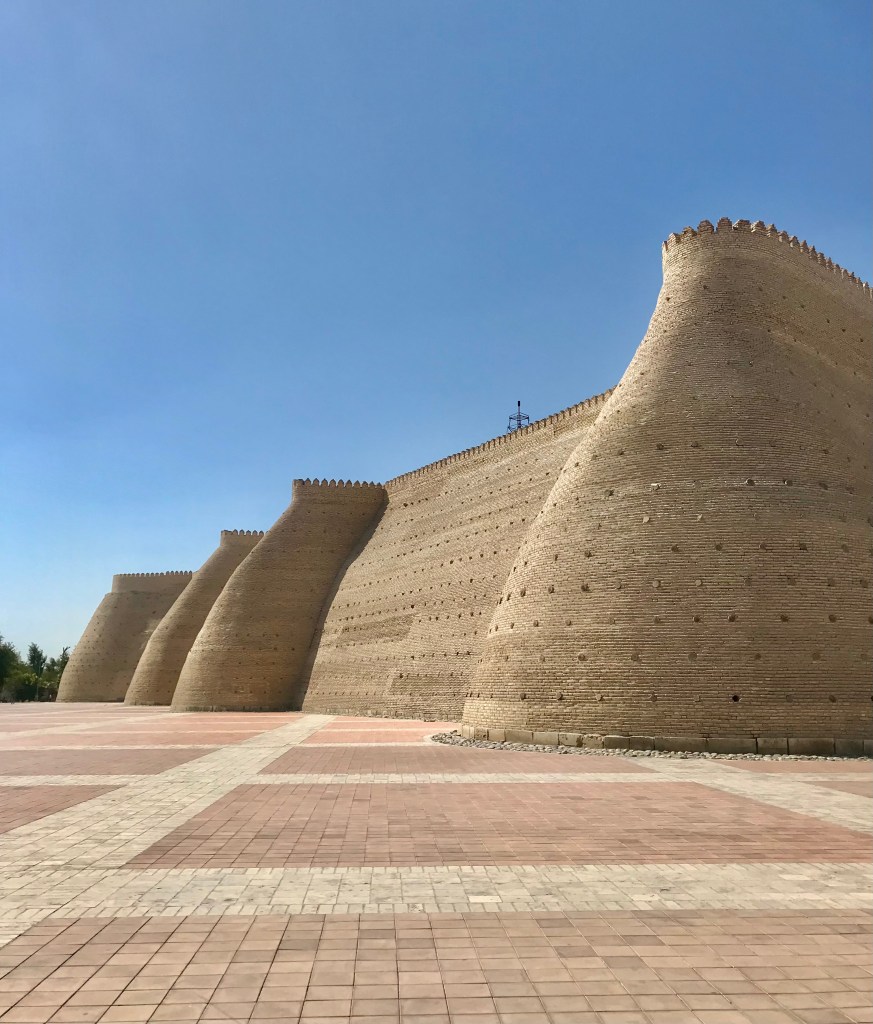
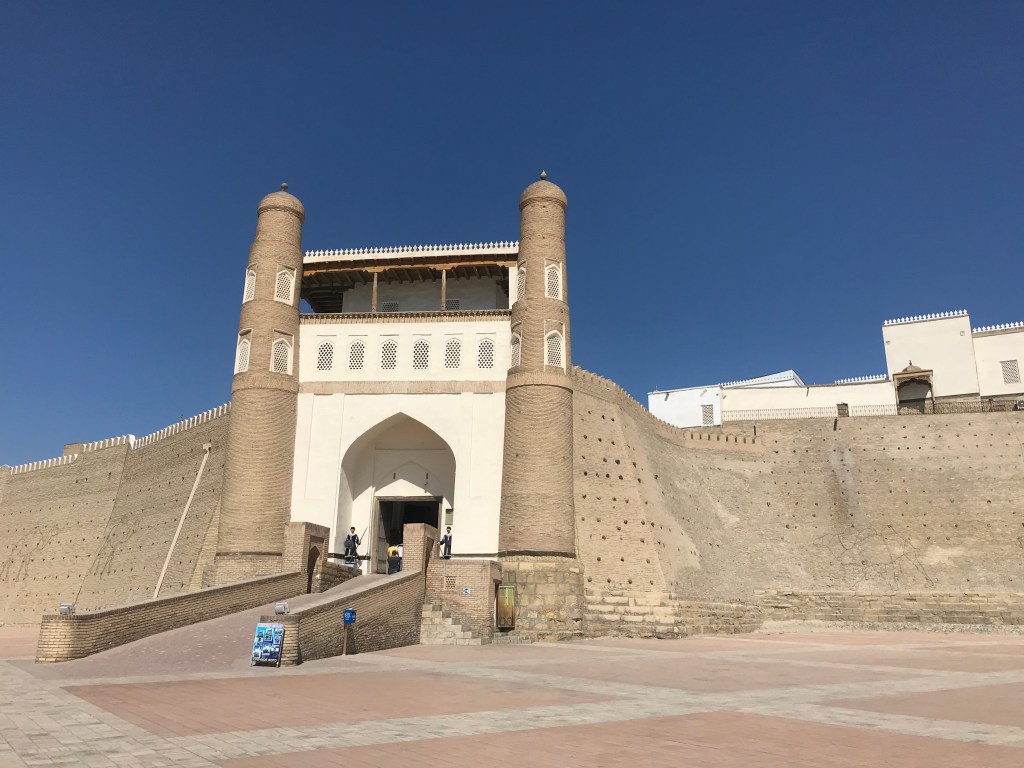
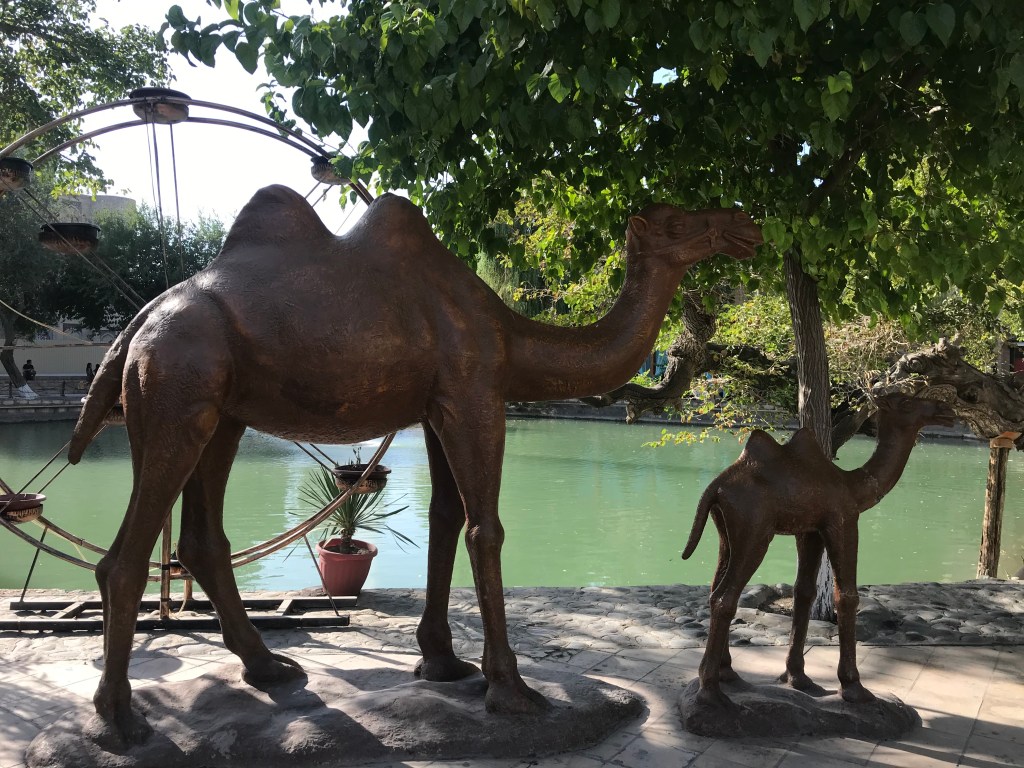
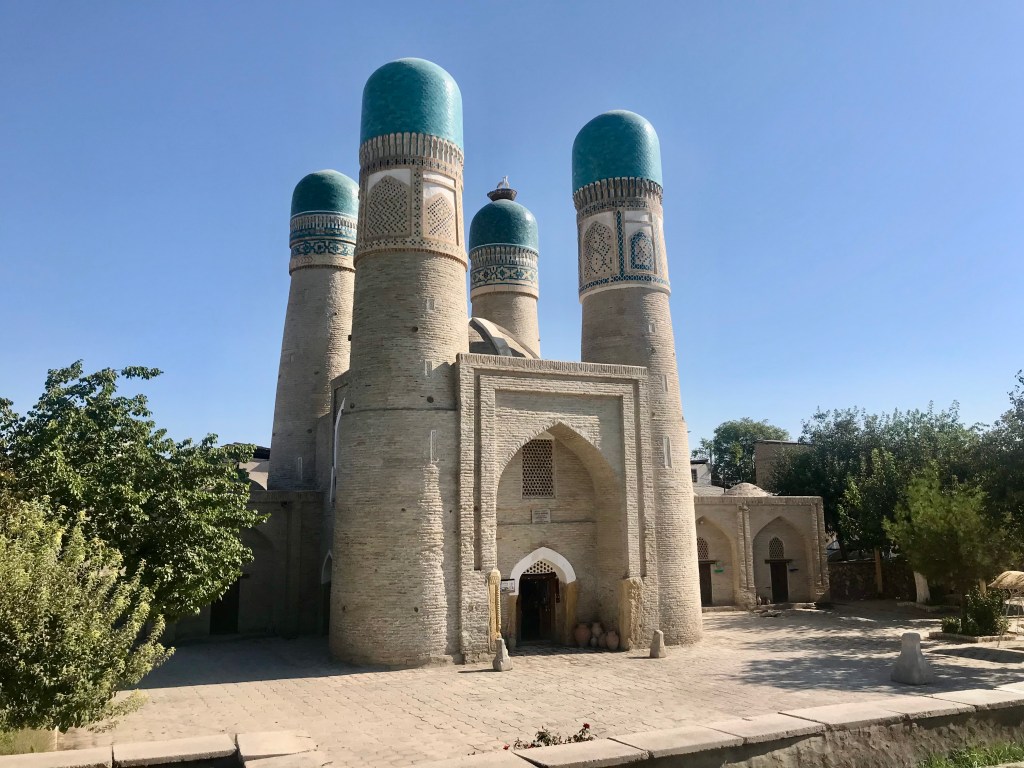
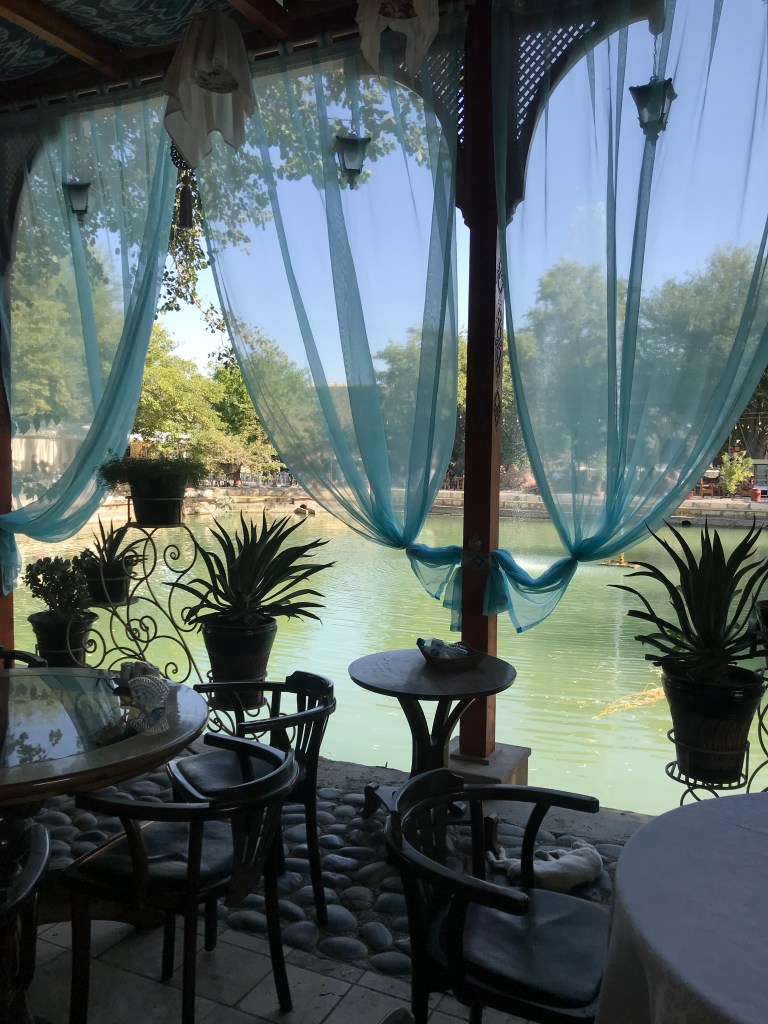
There was something peaceful and romantic about wandering through Bukhara that is difficult to put into words. My favourite sights in the city were the Kalyan Mosque and Minaret situated on a small square and a restaurant on the opposite side offering beautiful views of it. I also loved the Ark of Bukhara, a 5th century fortress and the Trading Domes,known as the city’s covered bazaars and where merchants once traded goods along the Silk Road. Other places worth visiting are Chor Minor(I was lucky enough to be allowed onto the rooftop), Mir-i-Arab Madrasah and Ulugbek Madrasah. If you are looking for recommendations on where to eat, Lyabi Hauz Restaurant particularly stood out for me. The restaurant sits beside the historic pool of the same name, offering traditional Uzbek food. It is famous for its historic location rather than being a fine-dining destination. In the evenings, live music adds to the atmosphere. For an authentic Bukhara experience, I would recommend staying at Komil Boutique Hotel. Housed in a traditional 19th-century Bukhara home, it offers a combination of historic character and modern comforts. I particularly loved the dinning room where breakfast felt like stepping back in time. Other Boutique hotels that I can suggest from reviews, are Minzifa and Amulet, although I can’t speak from personal experience, as I haven’t stayed at either.
Samarkand
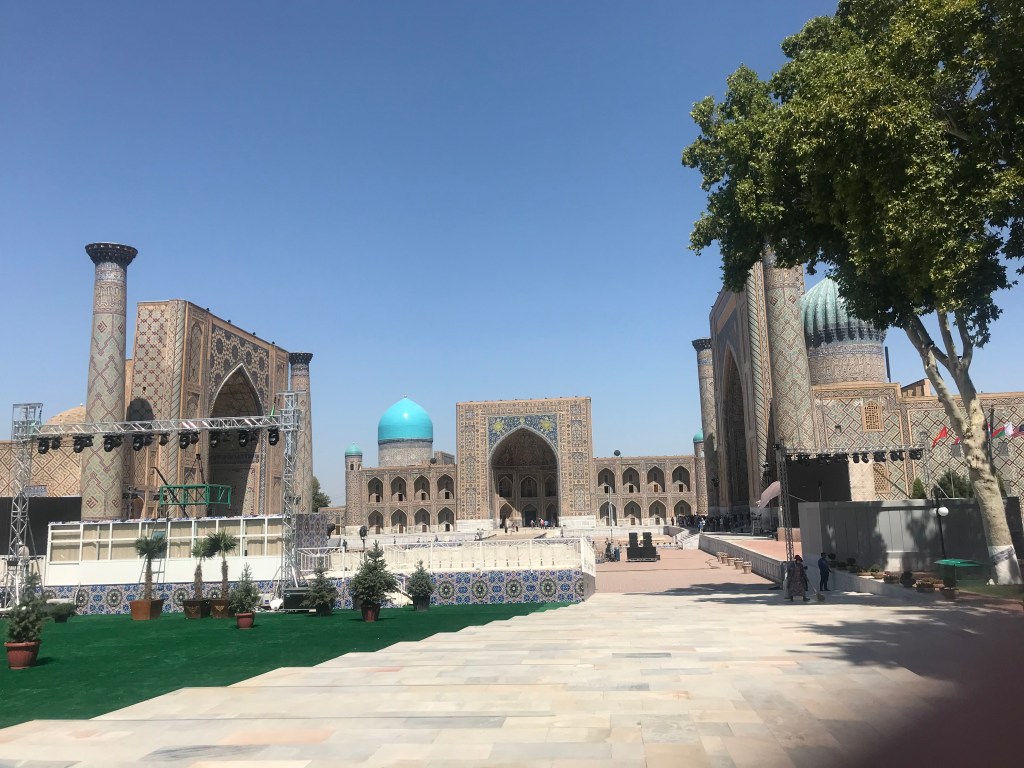
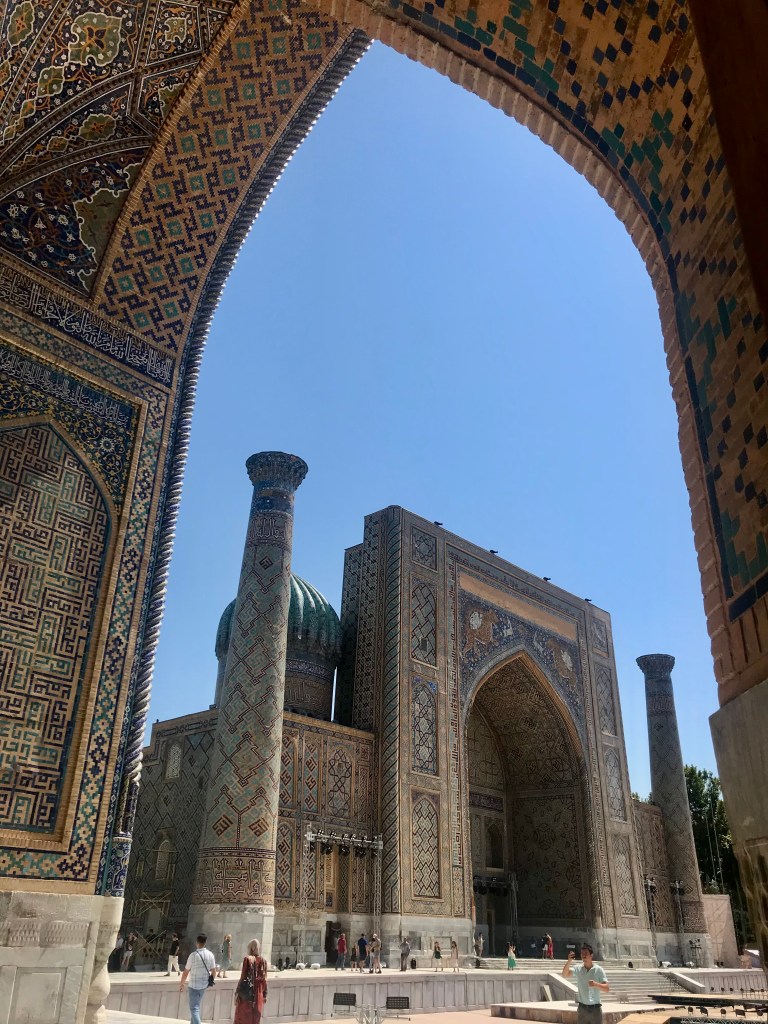
The heart of the ancient city and undoubtedly the most famous sight of Samarkand is Registan Square. This square is surrounded by three grand Islamic madrasas (religious schools) famous for their blue and gold tilework. Inside one of the madrasas, the walls and dome are richly decorated with real gold leaf.
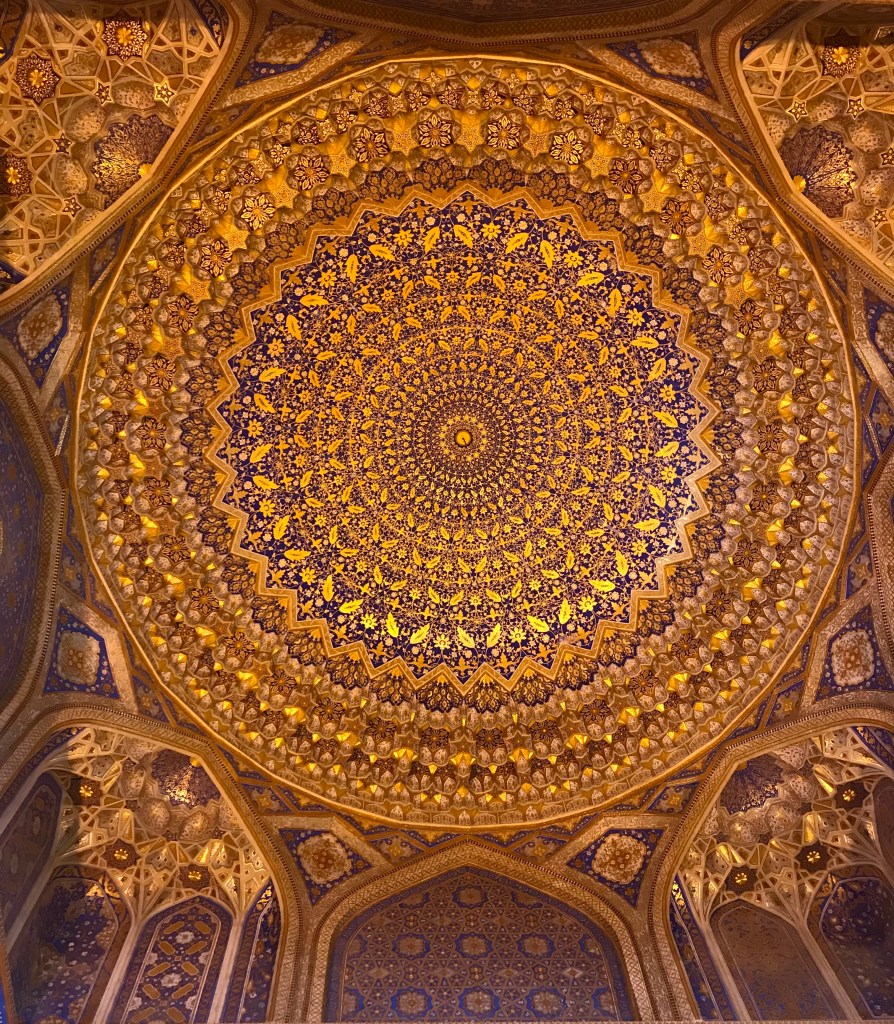
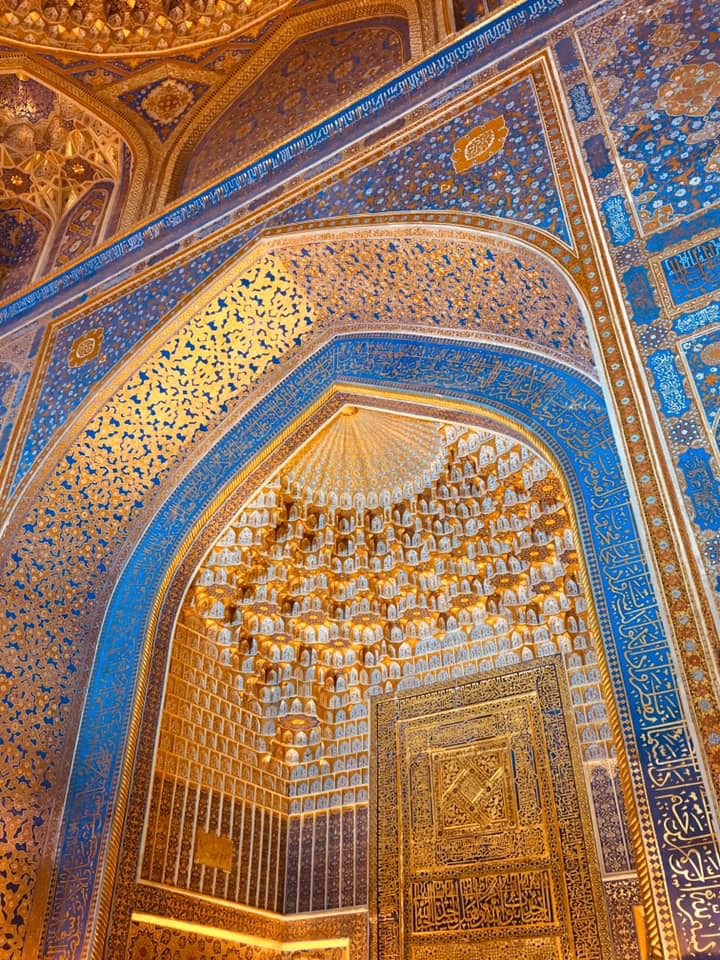
Other sights worth seeing in Samarkand include the Gur-e-Amir Mausoleum, Shah-i-Zinda necropolis and Bibi-Khanym Mosque. In my opinion, Shah-i-Zinda necropolis is one of the most beautiful and atmospheric places in Samarkand. As you walk along the narrow passageway, you see a series of beautiful tombs with mosaics, carved terracotta and glazed tiles in shades of blue, turquoise, white and green. It’s an ideal place if you are looking to capture photographs of iconic Islamic architecture with designs unique to Central Asia.
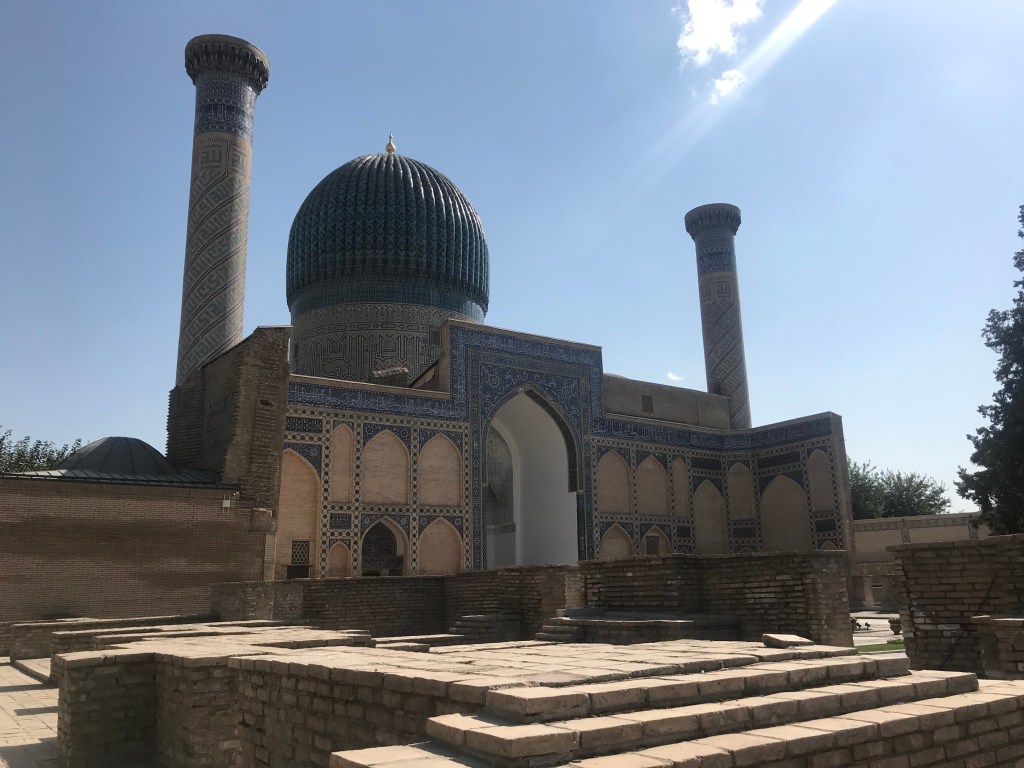
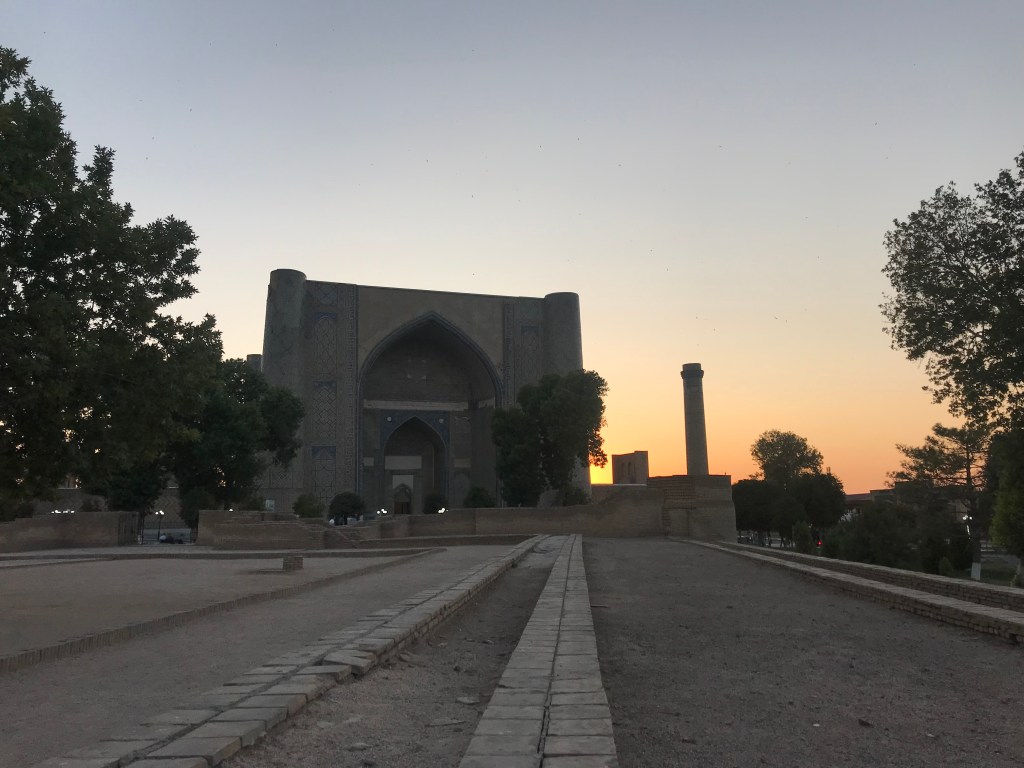
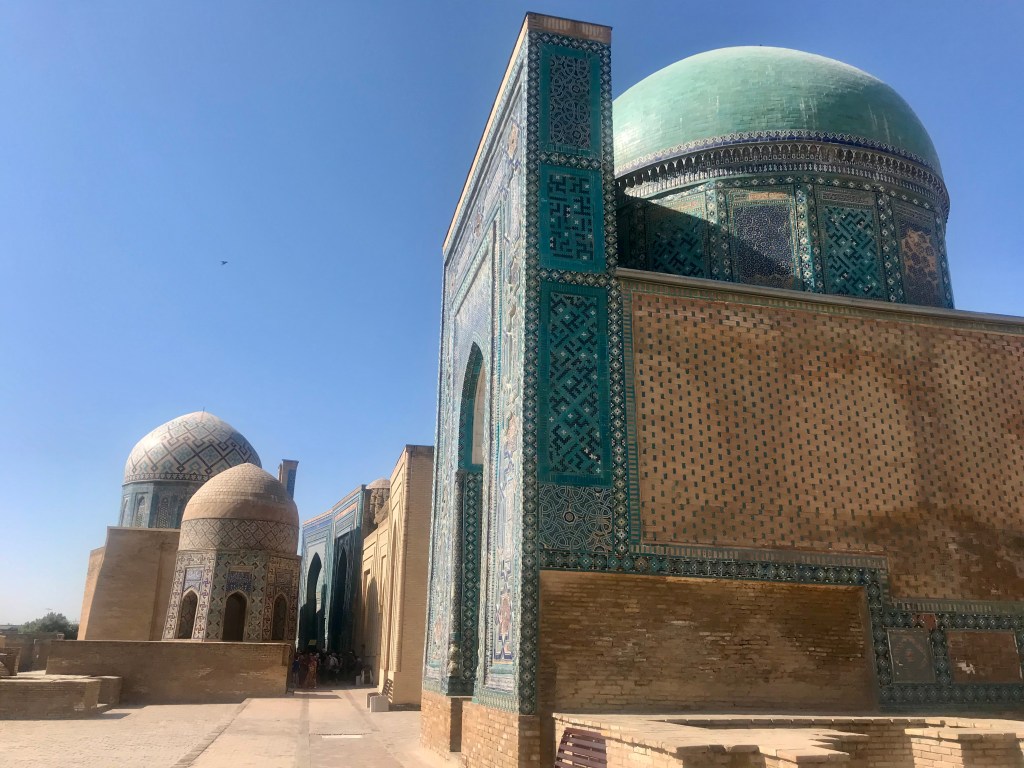
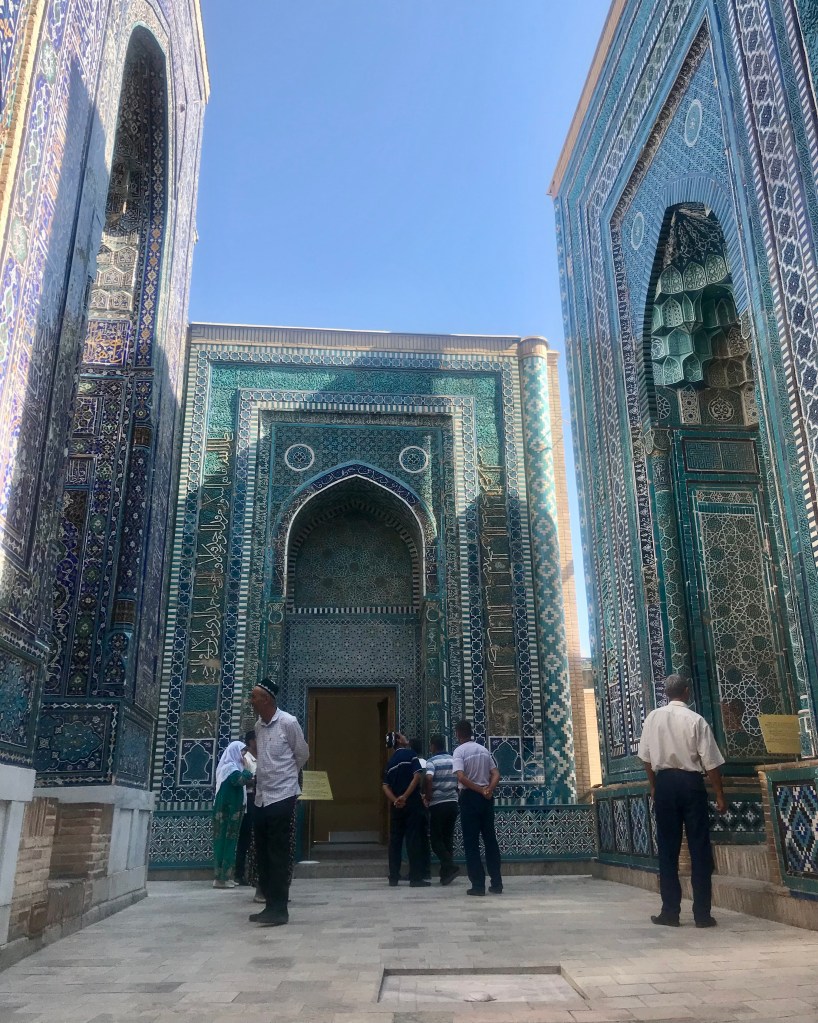
I’d definitely recommend spending at least two nights in Samarkand. That way, you can see all the sights I have mentioned without turning your visit into a whirlwind tour. You will have time to soak up the atmosphere, enjoy a few local meals and absorb the magic of the city.
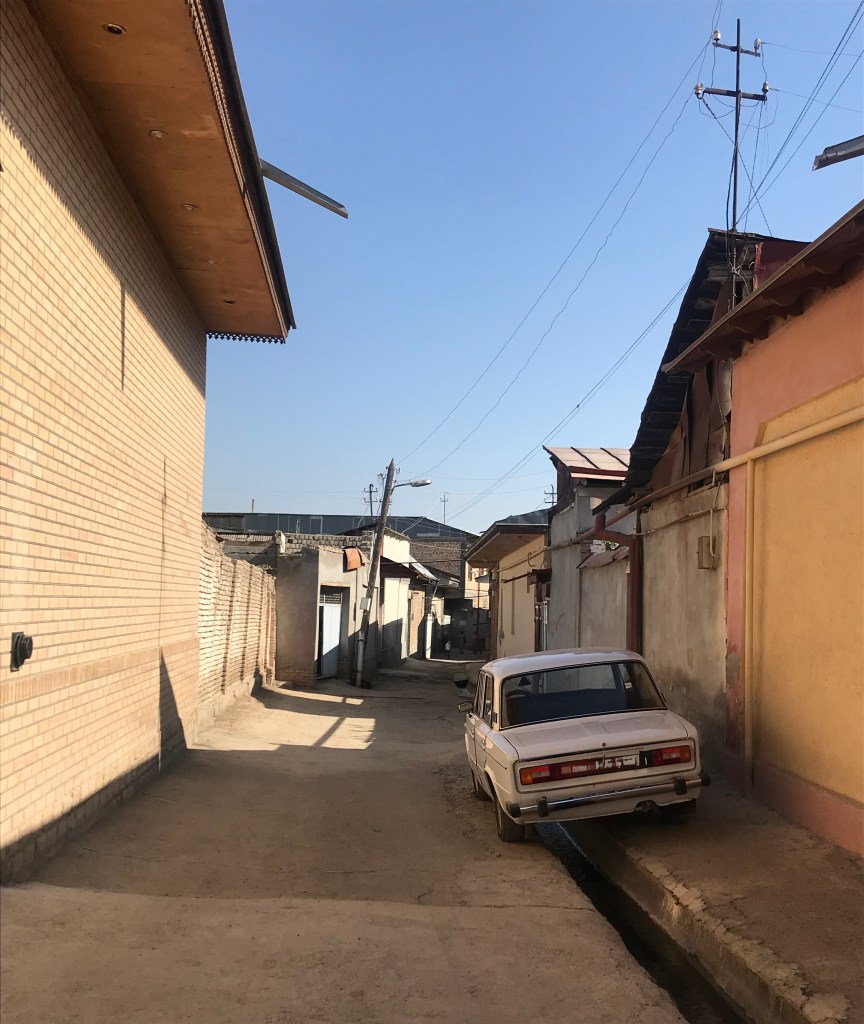
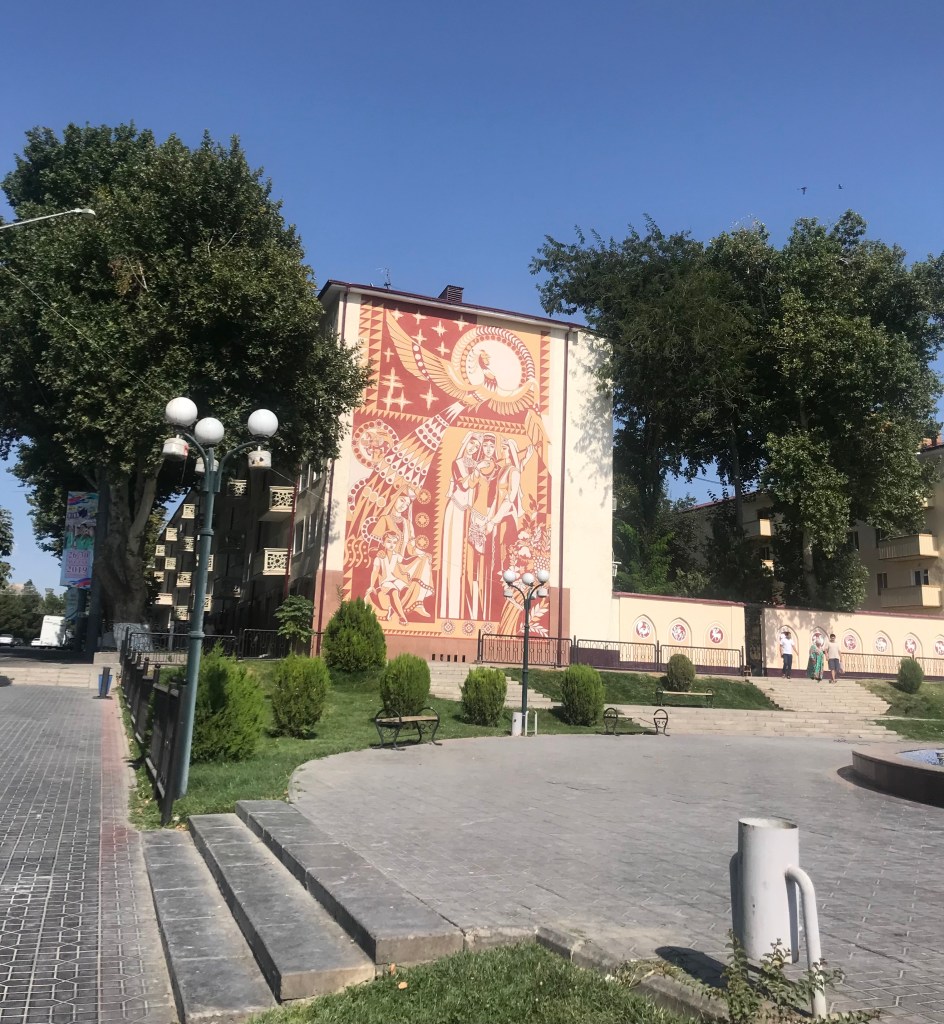
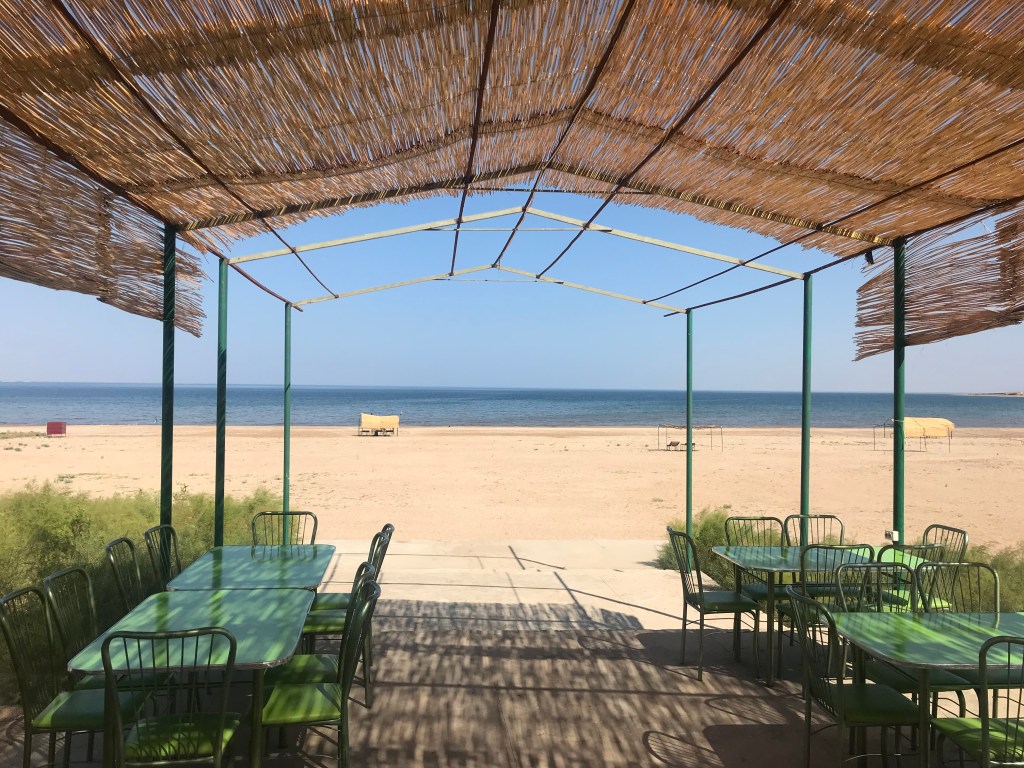
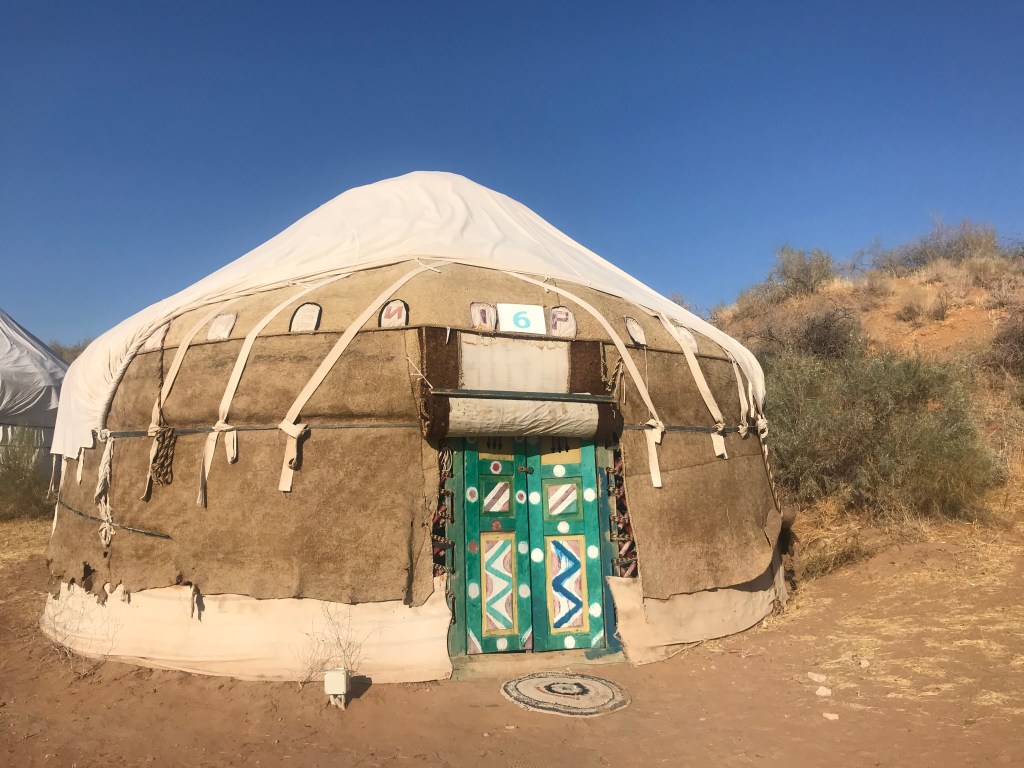
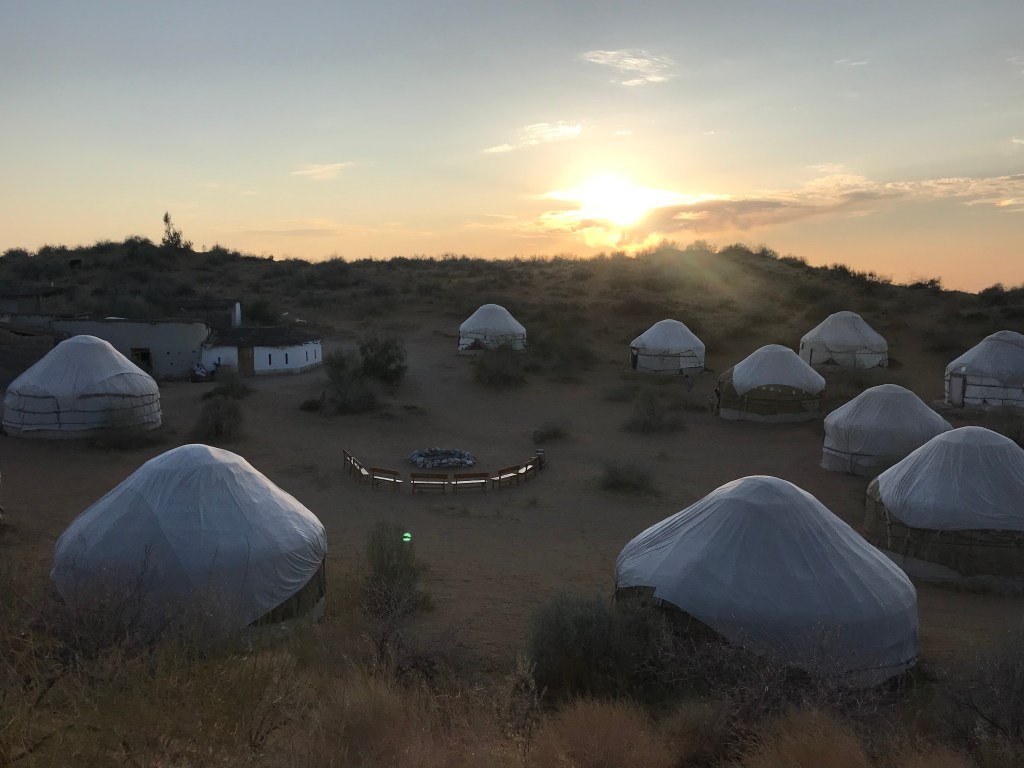
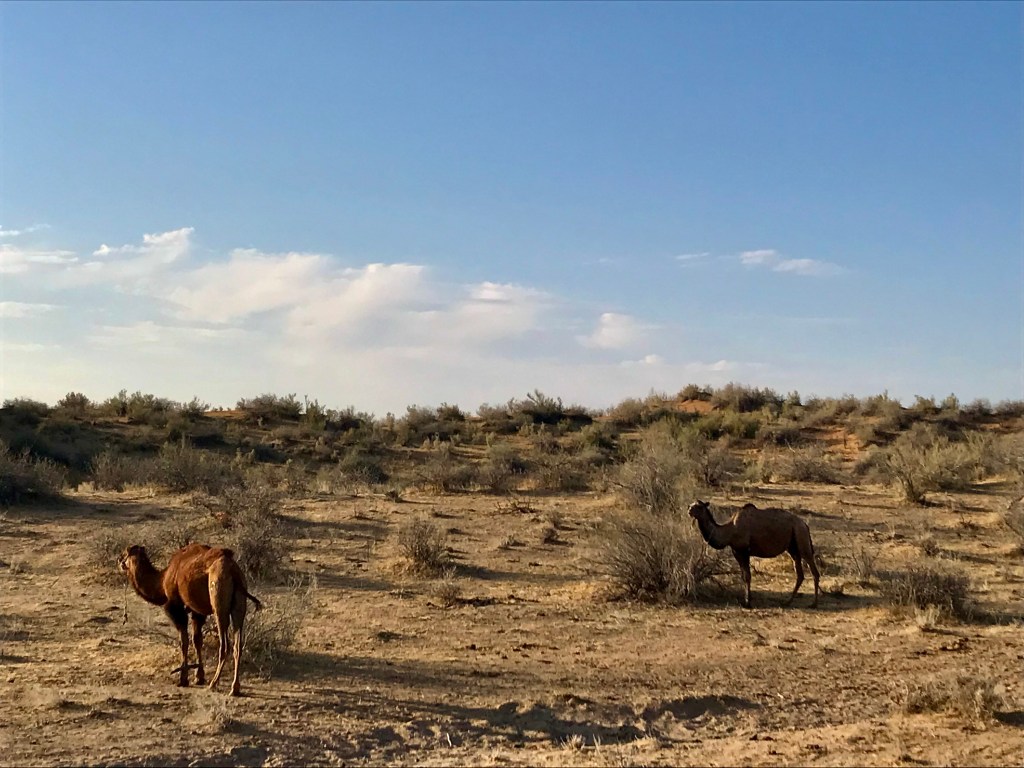
I mentioned earlier about spending a night in a yurt camp in the Kyzylkum Desert. In Samarkand you will find a handful of travel agencies where you can book this a day or two before, and they normally combine it with a visit to the man-made Lake Aydarkul and the holy town of Nurata. It was my first time spending a night in a desert, and first time in a yurt camp. The place was super clean, there were proper beds to sleep in, we even had a shower room and an outbuilding which served as the kitchen and dining room. In the evening, along with other guests, we sat around a bonfire listening to a local Kazakh man playing traditional music on a dombra.
Nurata
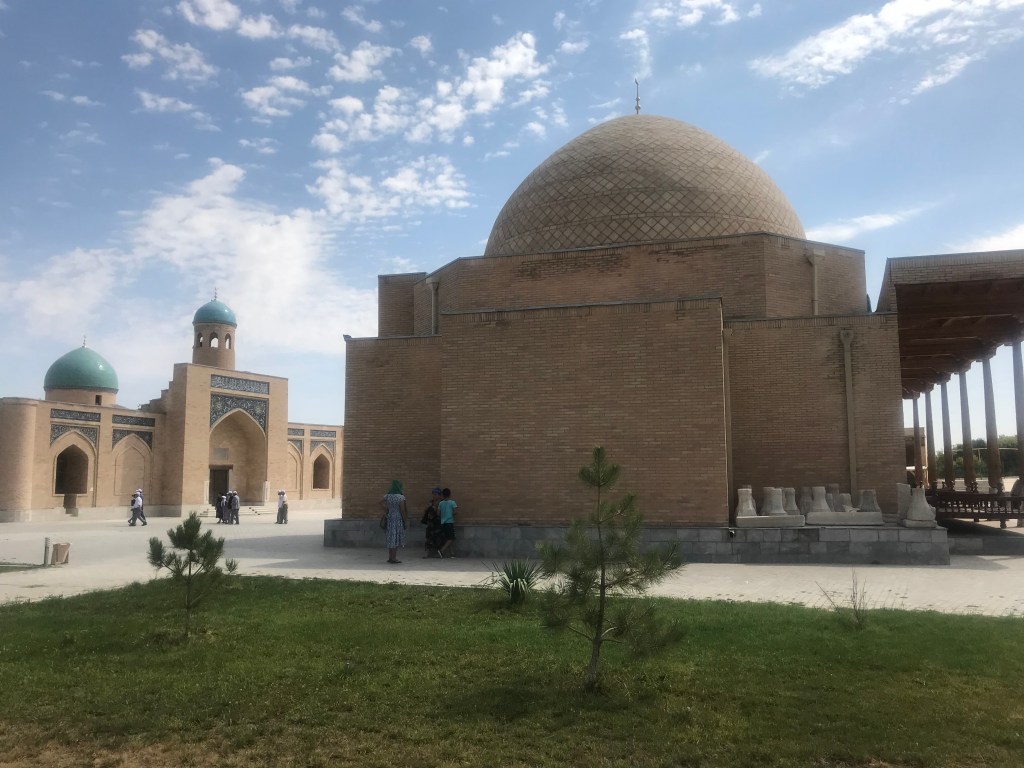
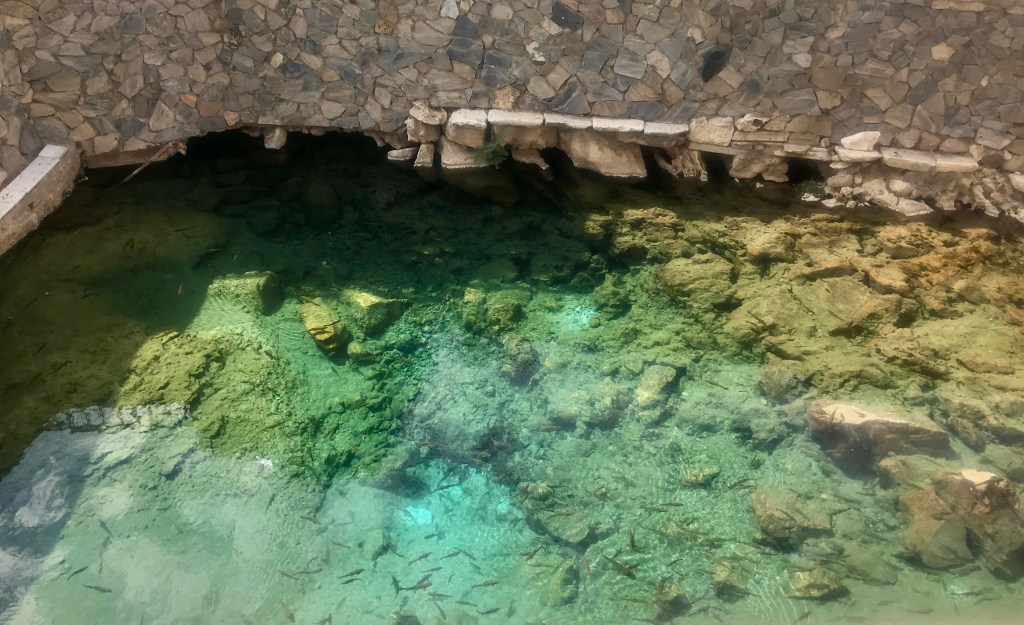
Nurata has been an important pilgrimage destination for centuries, and many Uzbeks consider it a sacred place. The heart of the town is the Chashma complex, built around a natural spring believed to have emerged from the ground after the arrival of the Prophet Muhammad’s cousin, Ali, according to local legend. The spring’s water is considered sacred, and you will even spot the famous fish swimming in its pools.
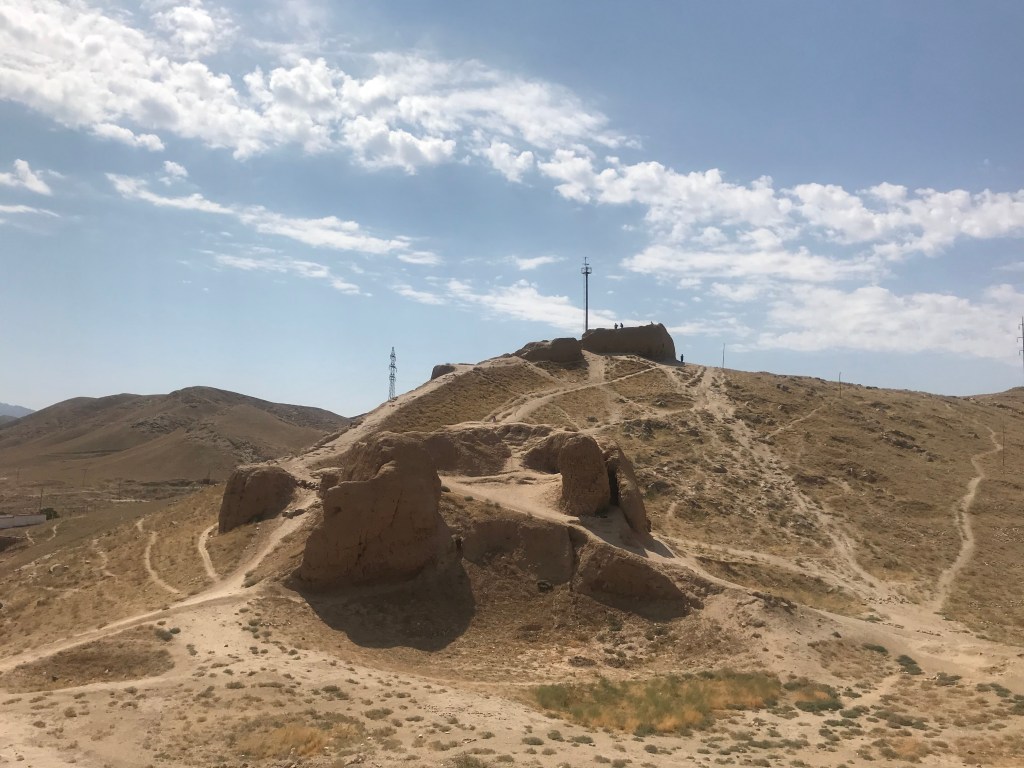
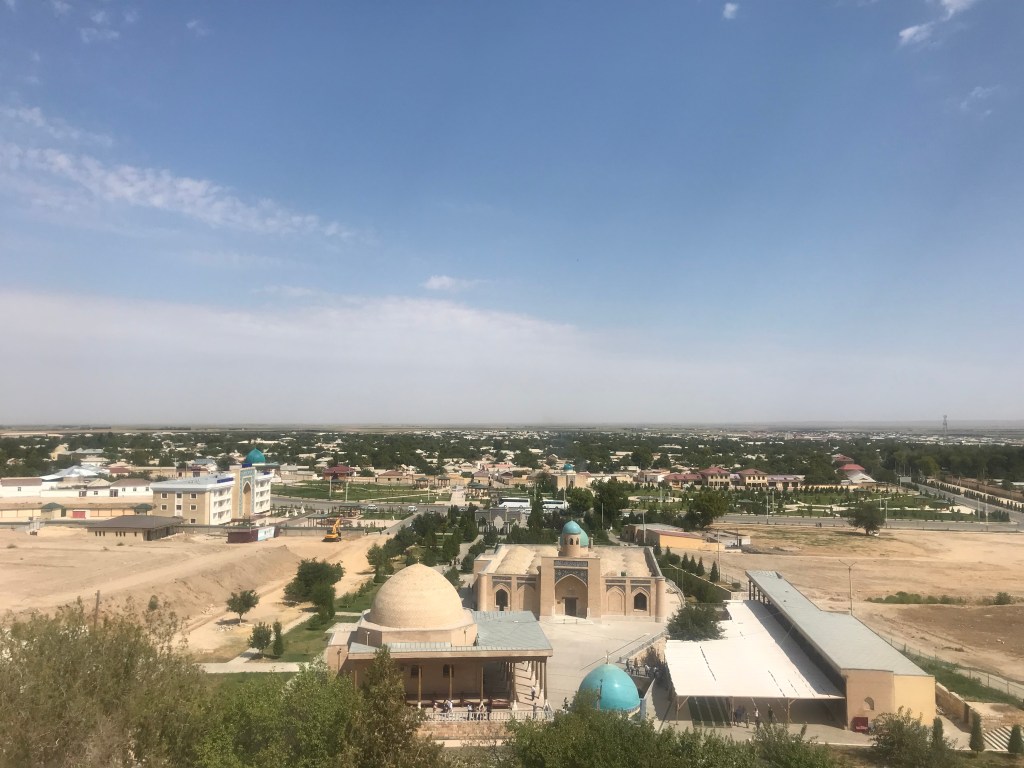
Above the town sit the remains of Nurata Fortress, associated with Alexander the Great, offering wonderful views across the surrounding landscape. The site is particularly interesting for us Europeans, who grew up hearing stories of Alexander and his vast empire. And this is exactly why I believe travelling is one of the best ways to learn. You can read about history in books, but standing in the very places where it happened, makes it feel real.


Leave a Reply